
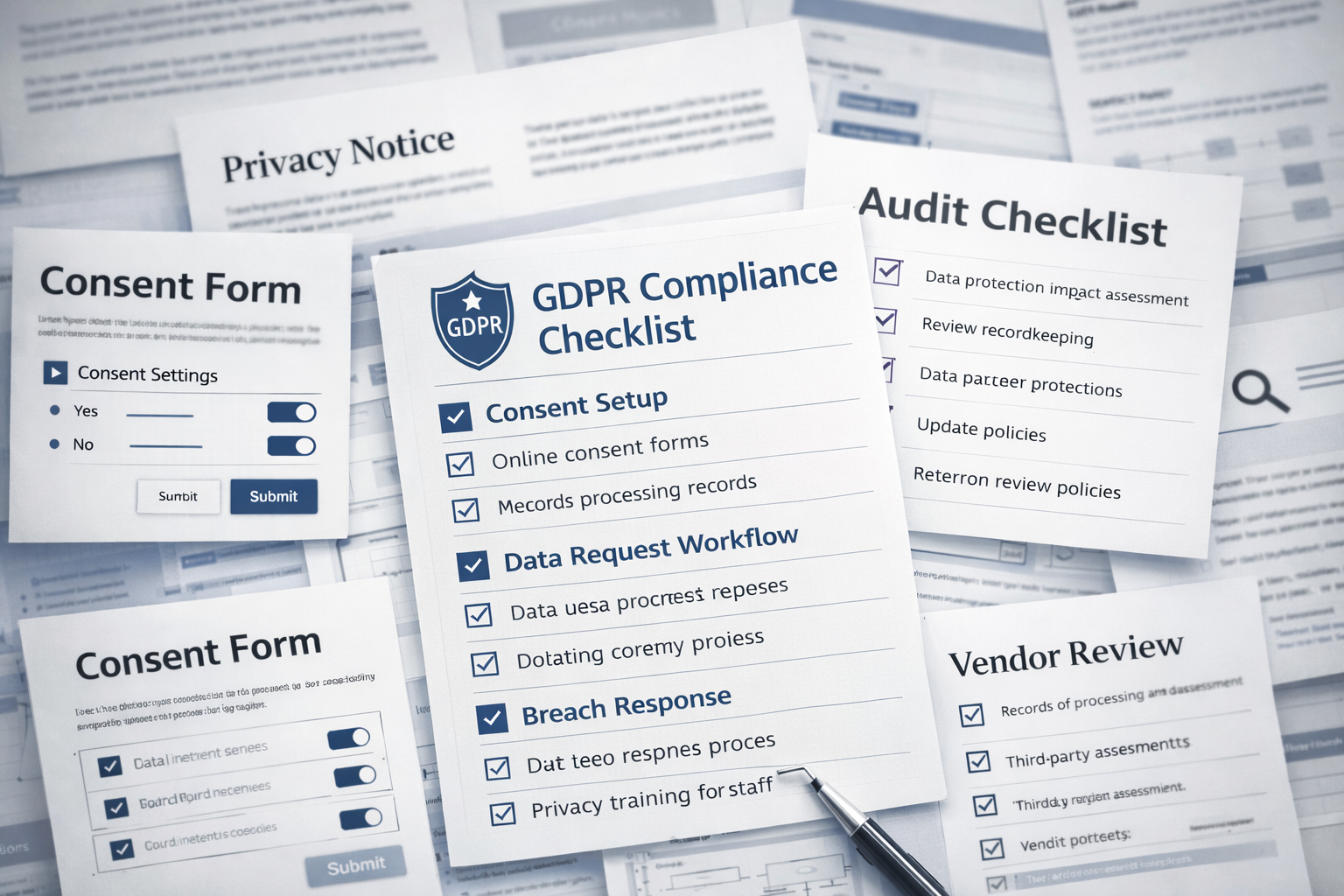
The General Data Protection Regulation (GDPR) sets strict rules for how organizations collect, store, and process personal data of EU residents. Compliance is not optional for companies operating in or targeting EU markets, and failure to adhere can result in fines reaching s20 million or 4% of global annual revenue, whichever is higher. Beyond legal consequences, GDPR is an opportunity to demonstrate a commitment to user privacy and transparency.
Many organizations underestimate the complexity of compliance. It involves reviewing internal processes, updating website infrastructure, and creating clear documentation of data practices. Businesses that plan carefully can streamline the process and integrate GDPR standards into daily operations.
Adopting GDPR measures improves user trust and strengthens brand reputation. Consumers are increasingly aware of privacy issues and prefer companies that treat their data responsibly. By following GDPR guidelines, organizations can prevent legal risks while positioning themselves as responsible, privacy-conscious brands in the global market.
Key Steps to Achieve GDPR Compliance
Implementing GDPR effectively requires a structured approach. Each step helps mitigate risks and ensures that all processes align with the regulation’s requirements.
- Conduct a Data Audit: Identify all personal data collected, processed, and stored. Determine where data resides and who has access.
- Update Privacy Policies: Ensure transparency with clear, accessible explanations of data use. Include user rights and contact information for data inquiries.
- Implement Consent Mechanisms: Obtain explicit consent for data collection through clear opt-in processes, including cookie banners and forms.
- Ensure Data Security: Encrypt sensitive data, implement access controls, and maintain secure storage solutions.
- Train Staff: Educate employees on GDPR obligations, data handling, and breach reporting procedures.
Taking these steps ensures that organizations have a documented, repeatable process for protecting user data. Regular reviews and audits maintain compliance as regulations evolve and technology changes. Well-executed GDPR processes also reduce the likelihood of costly breaches and fines.
Tools and Services That Support Compliance
GDPR compliance often requires a combination of technology and expert guidance. Automated tools can identify potential issues and simplify ongoing maintenance, while professional services provide strategic insight and oversight.
- Data Management Platforms: Track and manage personal data across systems.
- Consent Management Tools: Ensure proper user opt-ins for cookies and data collection.
- Audit and Reporting Software: Generate records for internal and regulatory review.
Combining these tools with expert guidance allows businesses to maintain compliance efficiently. Partners like Ankord Media help implement GDPR strategies that align with organizational goals while meeting legal obligations. A thoughtful approach reduces the risk of regulatory violations and builds trust with users who are increasingly concerned about data privacy.
Maintaining Compliance Over Time
Compliance is not a one-time task. Organizations must continuously monitor processes, update policies, and adapt to evolving regulations. Integrating GDPR considerations into regular operations creates a culture of accountability and responsibility.
Regular internal audits, staff refreshers, and automated monitoring help ensure ongoing adherence. Organizations that treat GDPR as an ongoing strategic priority rather than a checklist maintain higher standards of data security and user trust. Proactive monitoring reduces operational disruptions and allows companies to respond quickly to emerging regulatory updates.

Book an Intro Call
Frequently Asked Questions
GDPR compliance involves adhering to the EU’s data protection regulations. It requires organizations to handle personal data responsibly, protect privacy, and ensure transparency in all data processing activities.
Even companies located outside the EU must comply if they process data from EU residents. Non-compliance can result in fines of up to $20 million or 4% of annual global revenue, along with reputational damage.
Organizations should begin with a comprehensive data audit to understand what personal data they collect, how it is stored, and who can access it. Updating privacy policies and implementing proper consent mechanisms are critical early steps to reduce risk.
Ankord Media provides expertise in designing GDPR strategies that are both legally sound and practical to implement. Their team helps integrate automated tools, employee training, and process updates to ensure sustained compliance across all digital channels.
Common mistakes include collecting data without proper consent, failing to document processing activities, and neglecting ongoing staff training. Regular audits and updates to processes are essential to avoid fines and maintain trust with users.