What Silicon Valley Investors Expect From a Startup’s Brand and Visual Identity


Introduction
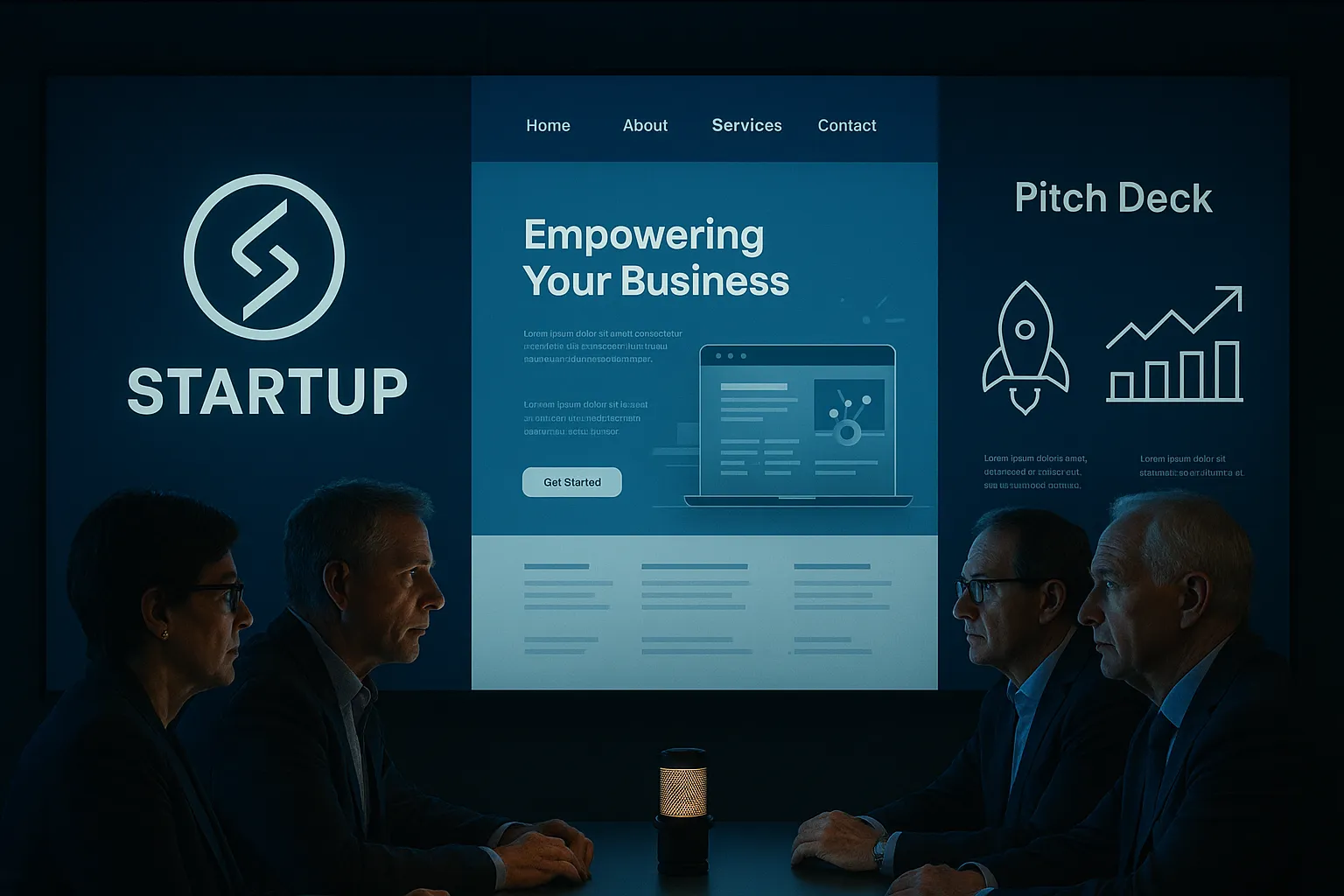
Strong brand and visual identity will not close a round by themselves, but they strongly influence whether investors take you seriously, understand your story quickly, and believe you can execute at scale. In Silicon Valley, where everyone claims to be innovative, your brand is a fast filter for credibility, focus, and maturity. How you show up across your logo, website, deck, and product becomes a shorthand for how you think and operate.
Quick Answer
Silicon Valley investors expect your brand and visual identity to make it instantly clear what you do, who you serve, and why you’re a credible, big-upside bet. In the first 30 seconds, they look for a clean, consistent story across your deck, website, and product that matches your stage. In practice, that means clear positioning in plain language, consistent visuals across touchpoints, stage-appropriate polish, obvious signals of trust and risk awareness, and a brand system that can scale to more products, markets, and users. When those elements are missing, it becomes much harder for them to champion you inside the partnership, even if the fundamentals are strong.
1. Clear, Immediately Understandable Positioning
Investors do not want to work to figure out what you do. Your brand and visuals should make it obvious within a few seconds.
What they expect
- A short, plain-spoken headline that states what you do and for whom
- Supporting copy that clarifies the problem, solution, and value without jargon
- Visuals that reinforce the positioning rather than distract from it
- A consistent one-sentence description that appears in your deck, site, LinkedIn, and product
What this looks like in practice
- Homepage hero that answers:
- Who the product is for
- What it helps them achieve
- Why this approach is different or urgent
- Pitch deck cover that echoes the same idea, not a completely different tagline
- App store listings, profiles, and directories that describe you in the same way
If different parts of your brand tell different stories, investors assume the strategy is not clear yet and will struggle to sell you to their partners.
2. A Visual Identity That Matches Stage and Ambition
Investors do not expect a pre-seed startup to look like a global enterprise, but they do expect a certain level of craft and coherence.
At very early stages (pre-seed and early seed)
Investors look for:
- A basic but coherent visual system
- A simple, readable logo
- Legible typography and clean layouts
- No obvious design debt that makes it hard to use or understand your product
They care more about clarity and focus than about highly polished art direction.
At later stages (late seed, Series A and beyond)
Expectations rise:
- A more defined visual system (color, type, layout rules, iconography)
- Design that feels intentional and repeatable across new surfaces
- A product interface that looks stable enough to scale to more users and use cases
- Fewer rough edges in flows and touchpoints that matter to customers and partners
The key signal is not “pretty design” but “this team can build and maintain a professional-grade experience as they grow.”
3. Consistency Across Deck, Website, Product, and Collateral
Inconsistent branding is a red flag that the company may be disorganized, siloed, or not yet operating from a shared strategy.
Where investors scan for consistency
- Pitch deck
- Same logo, colors, and typography as the site
- Narrative that mirrors the messaging on the homepage
- Marketing site
- Visuals and claims that match the deck and sales collateral
- Product screenshots that look like the actual product
- Product itself
- Onboarding and main flows that reflect the value proposition from the deck
- No jarring change from marketing visuals to in-product UI
- Other collateral
- One coherent look across one-pagers, sales docs, case studies, and conference materials
When these align, investors feel they can confidently explain your story in partner meetings. When they don’t, it’s harder for them to advocate for you, even if they like the idea.
4. A Narrative That Frames Market, Vision, and Proof
Brand is not only visual. It’s also the story that ties your product, traction, and strategy together in a way investors can repeat.
Elements investors expect to see
- Problem framing
- Clear articulation of the pain or inefficiency you solve
- Evidence that the problem is urgent for a specific set of users or buyers
- Category framing
- Where you sit relative to existing tools, workflows, or categories
- Whether you’re creating a new category or redefining an existing one
- Vision framing
- Where the product could be in three to five years
- How the market could grow or shift in your favor
- Proof framing
- Logos, metrics, testimonials, or case studies that support your story
- Signals that customers are already using and valuing the product
Visually, this shows up as a clear, logical story in your deck, structured sections on your site, and case studies that connect design, copy, and data. A strong narrative makes it easy for investors to retell your story inside their firm.
5. Signals of Trust, Professionalism, and Risk Awareness
Investors think a lot about risk: product risk, market risk, team risk, and reputational risk. Your brand and visuals should make it easier for them to believe that customers and partners will trust you.
Trust signals they look for
- Realistic, specific copy rather than vague claims
- Clarity around data security, compliance, or reliability if those are critical to the category
- Professional-looking legal pages, contact details, and documentation
- Thoughtful use of social proof such as customers, press, or partner logos (if you have them)
Design details that boost or hurt trust
Boost trust:
- Consistent spacing, hierarchy, and typography
- Accessible color contrast and readable font sizes
- Clean, uncluttered layouts that feel stable
Hurt trust:
- Broken layouts or overlapping elements
- Hard-to-read text or low-contrast color combinations
- Out-of-date screenshots that do not match the product
None of these details decide the round alone, but together they shape whether investors feel comfortable putting their name behind you.
6. Evidence That the Brand Can Scale
Investors also evaluate whether your brand and visual identity can support the company as it grows beyond its first product or segment.
What scalable branding looks like
- A logo that works at different sizes and in different contexts
- A color system that can extend to new features, products, or audiences
- Clear rules for typography, imagery, and icon usage
- A naming approach that can accommodate new modules, plans, or use cases
Why this matters to investors
If your brand system will break once you add new products or go international, investors know you will either carry visual debt for years or have to rebrand under pressure. A system that’s flexible from the start is a quiet but powerful sign of strategic thinking and makes future fundraising, hiring, and go-to-market easier.
7. Alignment With Team, Culture, and Go-to-Market
Sophisticated investors also look for alignment between the brand and how the team actually operates.
Alignment checks they often make
- Does the way the founders speak about the company match the language on the site and deck?
- Do sales materials and product demos tell the same story?
- Does the internal culture described by the team match the external brand (for example, a “security-first” brand supported by internal processes around quality, testing, or compliance)?
If the brand feels disconnected from the team’s behavior, investors worry the story will fall apart under scale. Alignment gives them confidence that what they see in the deck is what customers and hires will experience.
Final Tips
Treat brand and visual identity as a clarity and trust tool, not a cosmetic layer. Before investing in new visuals, nail the core story: who you serve, what problem you solve, why you are credible, and how big this can become. Then make sure your deck, website, product, and collateral all express that story in a consistent, stage-appropriate way. Investors will notice the coherence more than any individual design flourish, and it will make it easier for them to champion you inside the partnership.

Book an Intro Call
Frequently Asked Questions
They care more about clarity and coherence than about pure logo craft. A simple, readable, and consistent logo that works across your deck, site, and product is usually enough at early stages. A confusing or inconsistent logo can signal a lack of focus, but a flawless mark does not replace traction or a strong team.
At pre-seed, investors mainly want a clear story, basic cleanliness, and a product that users can understand. At seed, expectations rise for a more defined visual system and stronger alignment between deck, site, and product. Perfection is not required, but obvious design debt that harms understanding or trust can slow conversations.
For most software startups, the essentials are a coherent pitch deck, a clear and honest marketing site, basic product UI that matches the promises in the deck, and a small set of supporting assets such as a one-pager or simple case study. Extensive campaigns or heavy motion design are optional until later stages.
If the fundamentals are strong, investors may still lean in, but a weak or inconsistent brand makes it harder for them to understand and champion your story internally. It increases friction in partner discussions, investment committee presentations, and reference checks. Strengthening clarity and consistency reduces that friction.
Not always. Often the highest-leverage improvements are tightening the narrative, cleaning up key layouts, aligning deck and site, and updating product visuals where they are most visible in demos. A complete rebrand makes sense when your current identity blocks you from entering new markets or telling an accurate story about what the company has become.